


What’s inside:
This article explains new rules about vehicle toll payments that affect car sales and permits in India.
The Central Government has announced new rules that will impact vehicle owners. If you are thinking of selling your car or need to renew your vehicle’s fitness certificate, you should pay attention. Starting now, you must clear any unpaid tolls on National Highways before you can transfer your vehicle or get necessary documents.
The Ministry of Road Transport and Highways has made this a law by updating the Central Motor Vehicle Rules. This means if you have any toll dues, you need to pay them first. Once that is done, only then can you sell your vehicle, register it in another state, or renew its fitness certificate.
This change is aimed at ensuring everyone pays their dues. If your vehicle has used a National Highway but you haven’t paid the toll, it will be treated as an outstanding amount. This money will be collected under the National Highway Act of 1956.
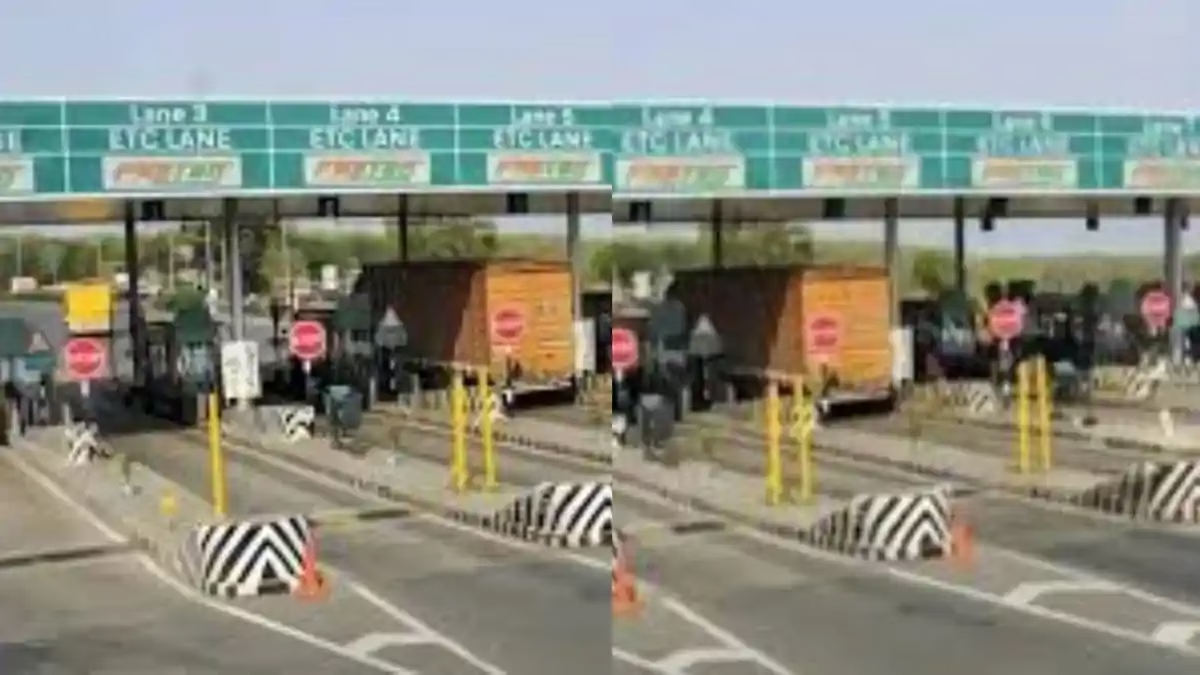
As part of this new approach, the government is working on a smoother toll collection system. They are introducing a barrier-free toll system using FASTag and other technology. However, issues like technical glitches can cause problems for users, leading to revenue loss.
Vehicle owners now need to ensure they always have enough balance in their FASTag accounts. It’s also crucial to pay attention to any e-notices regarding toll dues. If you don’t manage these payments, you might face delays in vehicle-related paperwork.
Summary:
- New rules require paying tolls before vehicle transfer or document issuance.
- Outstanding toll dues must be cleared for vehicle registration and permits.
- Unpaid tolls will now be treated as direct outstanding fees.
- The government is introducing a barrier-free toll system for seamless payments.
- Vehicle owners should maintain sufficient balance in their FASTag accounts.
