

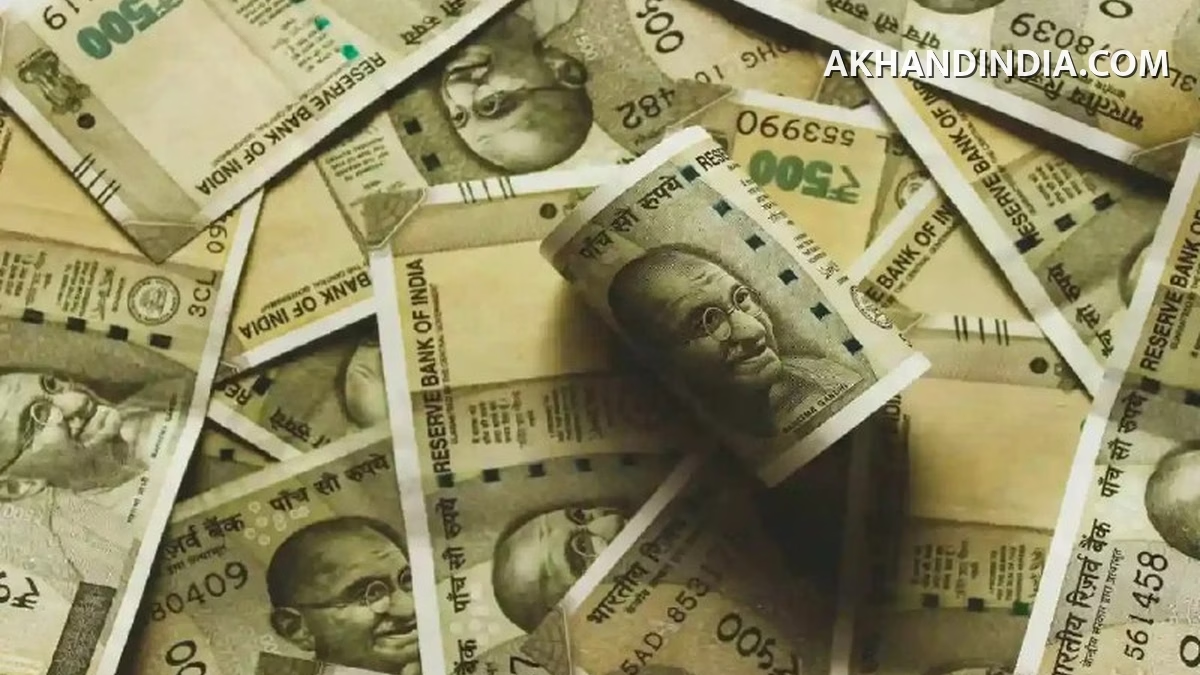

On Friday, January 23, 2026, the Indian rupee experienced a significant fall, hitting an all-time low of 92 against the US dollar. It closed the day at a record low of 91.88. However, later in the day, the currency saw a marginal recovery, settling at 91.41, a change attributed to easing global geopolitical concerns.
How Low Did The Rupee Go?
The rupee briefly reached 92 against the US dollar during intraday trading, an unprecedented level. It ended the trading day at 91.88, marking it as the worst-performing Asian currency for the week.
What Caused The Rupee’s Sharp Decline?
The primary reason for the rupee’s depreciation was significant outflows from Foreign Portfolio Investors (FPIs). They withdrew ₹36,500 crore from Indian equities in the first 22 days of January, adding to the $18.91 billion net outflow seen in 2025, which created sustained demand pressure for the dollar.
Were Global Factors At Play?
Yes, the rupee’s weakness was also influenced by a prevailing risk-off sentiment in global markets. This sentiment was fueled by various factors including ongoing trade tensions, general geopolitical uncertainties, stalled India-US trade negotiations, and the US tariff policies enacted under President Trump.
How Did The Rupee Recover Slightly?
The rupee recovered 17 paise to 91.41 following a shift in US President Trump’s stance. His softening of tariff threats against Europe improved investor risk appetite, which in turn allowed emerging market currencies, including the rupee, to show a slight recovery.
