

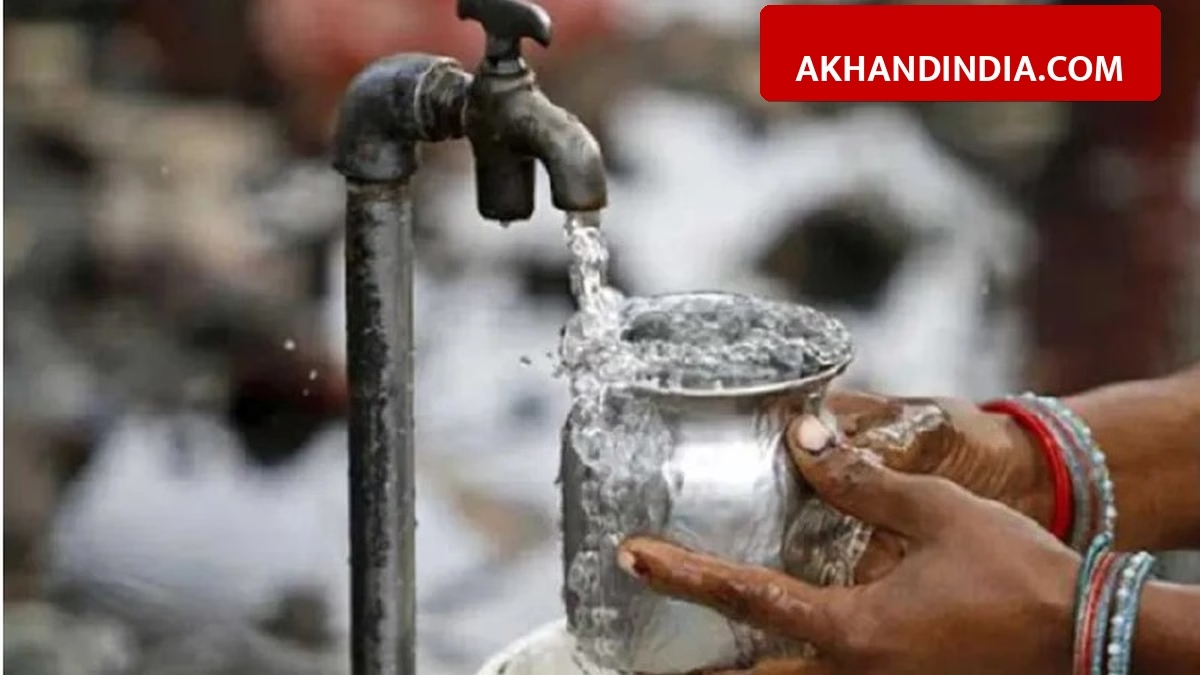

Residents of Delhi are facing a tough week ahead as the water supply has been severely disrupted due to high pollution levels in the Yamuna River. The ammonia content in the water rose to 5 ppm on January 23, 2026, making it difficult for treatment plants to process clean drinking water. The Delhi Jal Board has issued alerts for several neighborhoods.
Which Plants Are Affected?
Due to the toxic water quality, the Wazirabad Water Treatment Plant has been fully shut down. Other major plants are also struggling to operate at full capacity.
| Plant Name | Status |
|---|---|
| Wazirabad | Closed |
| Haiderpur | Running at 25-75% |
| Chandrawal | Production Hit |
| Bawana | Low Production |
Reason Behind the Shortage
The crisis is caused by a mix of industrial pollutants and a halt in fresh water supply. The Munak Canal in Haryana is undergoing maintenance, which means no fresh water is coming in to dilute the ammonia. The current levels are far above the safe limit of 1 ppm required for treatment.
Impact on Daily Life
This disruption has affected water availability in North, West, and Northwest Delhi. Approximately 22 lakh people are facing shortages. The authorities are advising people to use water judiciously as the production has dropped significantly across 7 out of 9 plants.
Timeline for Normalcy
The situation is likely to improve only after February 4, 2026. Once the repair work on the canal is finished, the flow of raw water will resume, helping to normalize the ammonia levels. Until then, tankers may be used to supply water to the worst-hit areas.
