

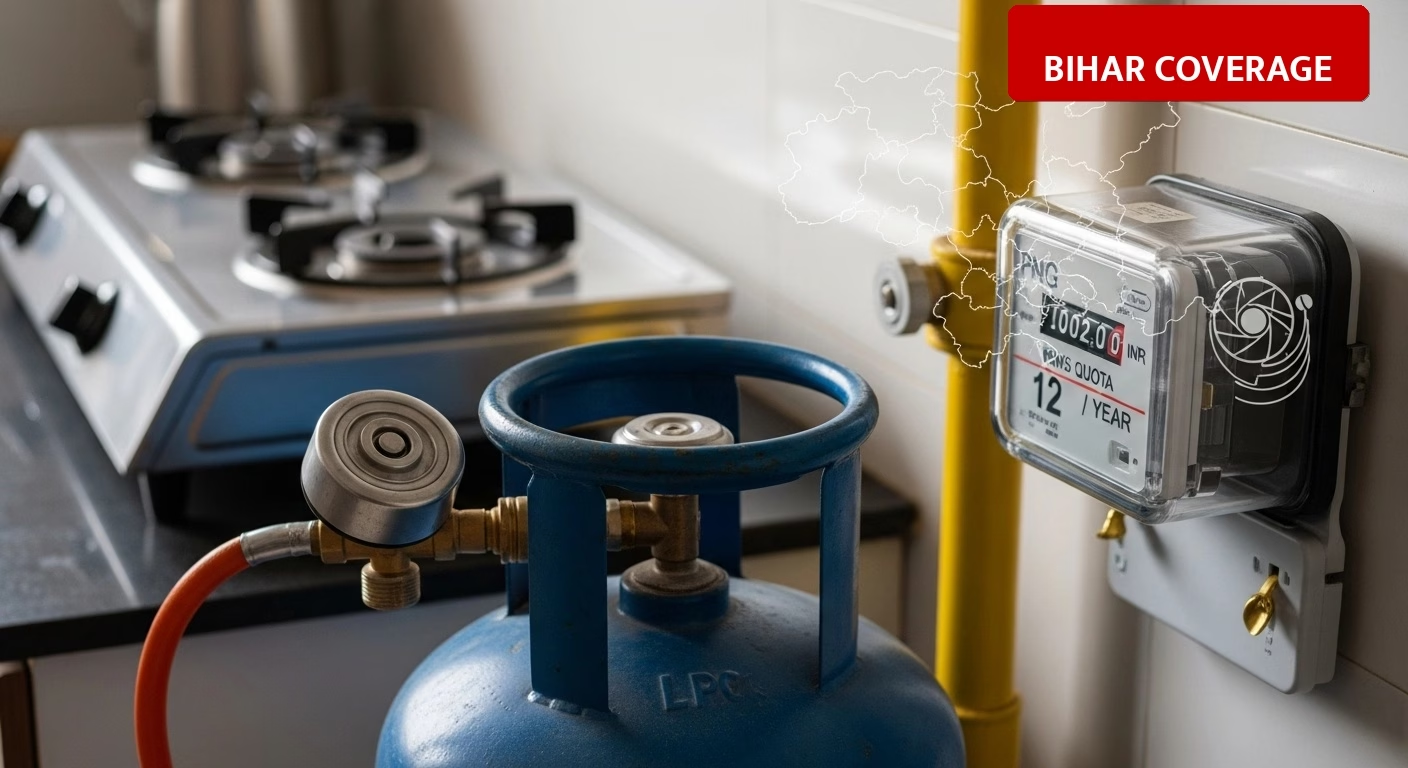

The Patna district administration has introduced strict regulations for LPG cylinder distribution to manage supply and stop illegal hoarding. As of March 18, 2026, domestic cylinders are priced at 1002.50 rupees in the city. Officials have started rigorous inspections at gas agencies, which has significantly reduced the panic buying seen in previous weeks and normalized the distribution system across the district.
What are the new LPG booking limits and price updates?
The administration has implemented a revised quota system to ensure fair distribution. Urban consumers are now restricted to 12 cylinders per year, while those in rural areas can book a maximum of 8 cylinders. The domestic price saw an increase of 60 rupees on March 1, moving from 942.50 to 1002.50 rupees. These measures are paired with a temporary halt on new connections and inter-city transfers to stabilize the current inventory levels.
Key rules for PNG consumers and daily supply data
Households with Piped Natural Gas connections are now prohibited from keeping or booking domestic LPG cylinders. These users are required to surrender their existing LPG connections immediately. This rule impacts nearly 30,000 households in Patna to redirect supply to those who depend solely on cylinders. The following table highlights the current LPG landscape in Patna:
| Category | Details |
|---|---|
| Domestic LPG Price | 1002.50 Rupees |
| Urban Annual Quota | 12 Cylinders |
| Rural Annual Quota | 8 Cylinders |
| Total Registered Consumers | 1,665,360 |
| Active Gas Agencies | 136 |
| Average Daily Sales | 41,094 Cylinders |
| Helpline Number | 0612-2219810 |
Impact on local markets and enforcement
The strict monitoring of gas agencies and warehouses has led to a major drop in daily bookings, which fell from over 5 lakh to approximately 35,461. While the LPG supply is now stable, the demand for alternative cooking methods has caused a shift in the electronics market. Induction cooktops are now being sold at prices closer to their MRP with minimal discounts due to high demand. Authorities continue to conduct raids to prevent the unauthorized commercial use of domestic cylinders.
