

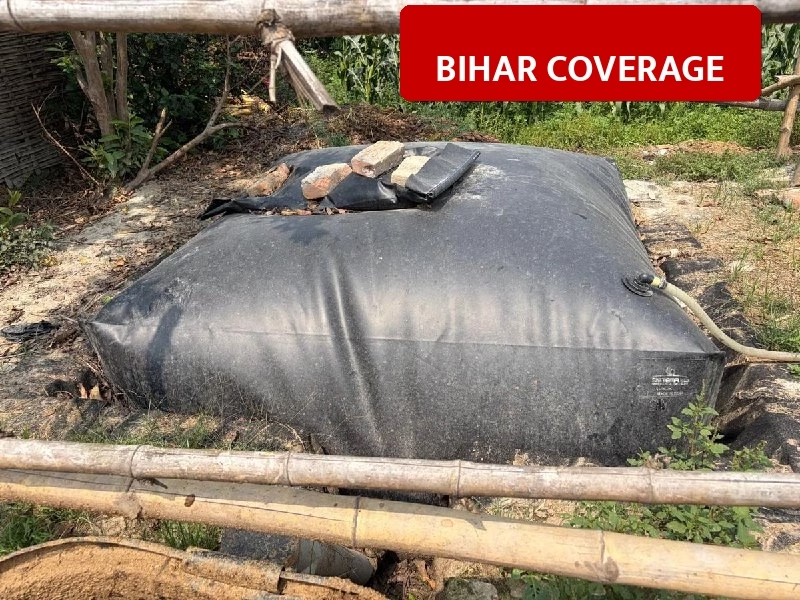

In Darbhanga, rural families are increasingly turning towards biogas to overcome the frequent shortage of LPG cylinders and rising fuel prices. This shift towards a local energy source is helping villagers maintain a regular gas supply for their daily cooking needs without depending on external distributors. The adoption of this technology is gaining momentum as it offers a sustainable and cost-effective alternative for households with livestock.
Key Requirements and Setup Cost for Biogas Systems
Setting up a functional biogas plant in a rural household involves a one-time investment that provides benefits for several years. The system is particularly suitable for farmers who already own cattle, making the operational cost almost zero. The following table highlights the basic requirements for a small-scale unit:
| Feature | Requirement/Details |
|---|---|
| Initial Investment | 20,000 to 25,000 Indian Rupees |
| Livestock Needed | Minimum 2 Cattle |
| Primary Input | Cattle Dung and Organic Waste |
| Government Support | Subsidies under Gobar-Dhan Yojana |
Direct Benefits for Rural Households and Agriculture
- Smoke-Free Cooking: Biogas provides a clean flame that reduces health risks for women in the kitchen.
- Consistent Supply: It eliminates the fear of the kitchen stove going cold during the night due to empty cylinders.
- Organic Fertilizer: The waste produced after gas extraction serves as high-quality organic manure for crops.
- Economic Relief: Families save money on monthly LPG purchases and chemical fertilizers.
Bihar Government Expansion and Future Plans
The state of Bihar is planning a massive expansion of biogas infrastructure by the end of 2025. The government aims to establish 10 new compact biogas plants with a total investment of over 1500 crore rupees to serve 15 lakh households. Major private players like Reliance Industries are also setting up large-scale plants in nearby districts like Madhubani to produce thousands of tons of organic fertilizer and biogas annually. Local farmers in districts like Samastipur and Katihar are already receiving subsidies up to 22,500 rupees to encourage this transition.
