

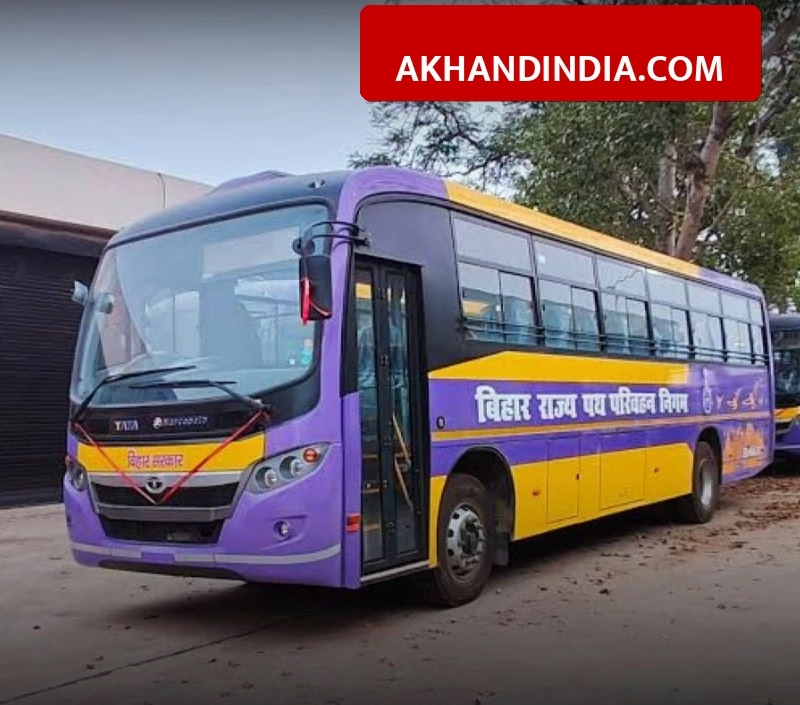

The Bihar state government has taken a major decision to strengthen the bus service network across the state. To make travel easier for the common people, the government will operate more than 1,977 buses under the Bihar State Road Transport Corporation (BSRTC). These buses will run on the Public-Private Partnership (PPP) model, connecting various districts within Bihar as well as routes to other states.
🚨: Bihar Traffic Relief: Railways Approves 83 New ROBs, 110 More to Be Built Next Year।
How many buses will run on which routes?
The plan includes a massive expansion of the transport network to cover both local and inter-state travel. The officials have identified specific routes where these new buses will operate to reduce the travel hassle for passengers.
- Intra-state routes: 824 routes have been selected within Bihar to connect different districts and villages.
- Inter-state routes: More than 370 routes have been identified for buses going to other states.
- Total Fleet: A total of over 1,977 buses will be deployed to serve these areas.
Rules for bus owners and permit application
The Transport Department will begin accepting applications for bus permits starting from April 1. Bus owners interested in running their vehicles under this scheme must follow strict guidelines set by the department. Before getting a permit, the owners must submit a detailed map of the route they intend to cover.
Additionally, it is mandatory to provide high-quality photographs showing both the inside and outside of the bus. All essential information regarding the condition and capacity of the bus must be shared with the department during the application process to ensure passenger safety.
Public will decide the bus stops
The government wants to ensure that the new bus service is actually useful for the public in rural and urban areas. Before finalizing the stoppages for these new buses, the department will seek suggestions from the local people. This review process is designed to make sure that the stops are convenient for daily commuters. The main goal is to provide accessible transport facilities that connect rural pockets with main urban centers effectively.
