

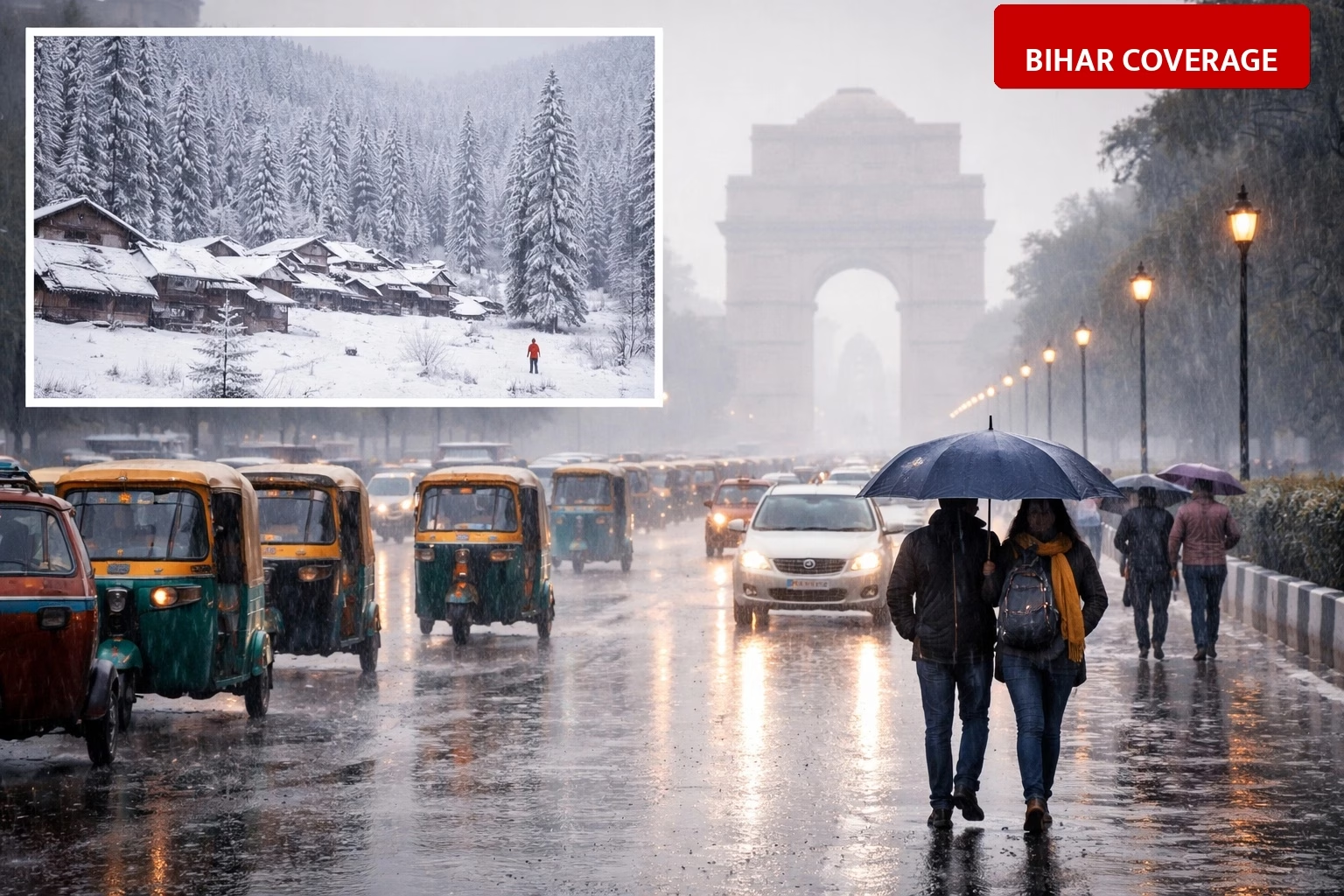

North India is witnessing a significant change in weather due to a rare and strong Western Disturbance. On March 20, 2026, Delhi and surrounding areas experienced moderate rain and a sharp drop in temperature, making it feel like winter again. Meanwhile, heavy snowfall continues in the Himalayan regions of Himachal Pradesh and Uttarakhand, affecting daily life and travel across the northern plains.
Which areas are most affected by this weather change?
The India Meteorological Department (IMD) has identified several states under the influence of this active weather system. The impact is spread across both mountains and plains, causing a variety of weather events:
- Delhi-NCR: Light to moderate rain and gusty winds have brought daytime temperatures down to 15-19 degrees Celsius.
- Himalayan Region: Heavy snowfall reported in Kedarnath, Badrinath, Gulmarg, and Lahaul-Spiti.
- Northern Plains: Punjab, Haryana, and Uttar Pradesh are facing thunderstorms and scattered rainfall.
- Other States: Rajasthan and Karnataka have witnessed unusual hailstorms, while the system is moving towards Bihar and West Bengal.
What is the official forecast and advisory for the public?
The weather department has issued specific alerts to ensure public safety and minimize crop damage. Meteorologists note that the current Western Disturbance has a rare linear structure that intensifies cloud development. Key highlights of the advisory include:
- A yellow alert remains in place for Delhi and Haryana for March 20 due to rain and strong winds.
- Farmers are advised to suspend agricultural activities to protect Rabi crops from potential hailstorms and lightning.
- Residents are encouraged to keep winter clothing accessible as the cooling effect is expected to sustain for a few more days.
- A fresh Western Disturbance is anticipated to hit North India starting March 22, which may continue the rain spells.
